Ethics in MDS Coding: Reimbursement and Quality Measures

In long-term care, the Minimum Data Set (MDS) ensures appropriate care planning, accurate reimbursement, and quality measurement while maintaining compliance with federal and state regulations. However, MDS coding may pose some ethical challenges. Completing the MDS accurately and according to the Long-term Care Facility Resident Assessment Instrument 3.0 User’s Manual …

Shifting Mindsets on Infection Prevention and Control: From Policy Adherence to Personal Ownership for Staff

An effective Infection Prevention and Control Program (IPCP) goes beyond compliance with policies and ideally reflects a cultural shift toward personal responsibility. The nurse leader has a key role in helping healthcare professionals recognize their part in preventing infections and understanding how their actions directly impact resident safety. The goal …

Quality Measure IQ Series: Pressure Ulcer Measures

Quality Measure (QM) reporting on pressure ulcers is a significant metric used by the Centers for Medicare & Medicaid Services (CMS) to help ensure that nursing homes provide high-quality care to vulnerable residents. Those residents with impaired mobility, chronic health issues, and complex comorbidities have a higher risk of developing …

Compliance in Diagnosis Selection for Skilled Rehabilitation

For skilled nursing facilities (SNFs), diagnosis selection and accurate ICD-10-CM coding are essential for both quality resident care and compliance with regulations. For therapists providing skilled rehabilitation services, the ability to choose the correct diagnosis code is not only crucial for resident outcomes but also ensures proper reimbursement and avoids …

Care Conference: How Do Resident Rights Connect to Care Planning?

Some nurse assessment coordinators (NACs) may believe that having a care conference (aka care plan meeting) with the resident and/or their responsible party or family member is a regulatory requirement. “However, no regulations actually use the term care conference,” says Scott Heichel, RN, RAC-MT, RAC-CTA, DNS-CT, IPCO, QCP, ICC, director …


The Keys to Develop a Past Noncompliance Plan

The director of nursing services (DNS) received a call in the middle of the night that a resident with a diagnosis of dementia had eloped, and it appeared she had been missing for several hours—a conversation no DNS wants to have. She immediately enacted the missing resident protocol. Luckily, staff …

Uncomplicating Drug Classifications

Medications are an essential part of the care and interventions provided to residents in a skilled nursing facility. These medications may be used to manage chronic conditions, slow disease progress, ease symptoms, or even prevent a condition. With each medication, the associated risks and benefits must be considered. High-risk medications …

PDPM Overview for Supporting SNF Staff

The Centers for Medicare & Medicaid Services (CMS) implemented the Patient-Driven Payment Model (PDPM) in October 2019 for residents receiving Medicare Part A coverage in the skilled nursing facility (SNF). PDPM replaced the previous legacy payment model, the Resource Utilization Group (RUG-IV) system, still used by some state Medicaid agencies …

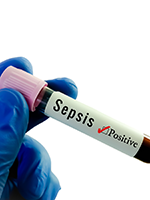
Sepsis Assessment and Reporting: Tips for Nursing Staff

Nurses play a key role in the early identification and treatment of sepsis, assessing the resident and reporting to the physician or nonphysician practitioner (NPP), as well as potentially managing residents with sepsis in-house in some cases. Nurse leaders can take the following steps to help nursing staff effectively assess …

The “Golden Hour” of Admission

For both residents and their loved ones, admission into a post-acute care facility can be an overwhelming experience. In addition to the condition that brought residents to the facility, the transition itself involves changing environment, acclimating to new routines, and entrusting one’s care to a team of unfamiliar people. Amid …