Behavioral Health Education and Training: How to Ensure Staff Can Meet Resident Needs

The guidance to surveyors in Appendix PP of the State Operations Manual addresses behavioral health education, training, and competencies under two separate F-tags: Did the facility have sufficient staff who provide direct services and implement non-pharmacological interventions to meet the behavioral health care needs of the resident, as determined by …

Need Behavioral Health Training Help? Check Out the COE-NF
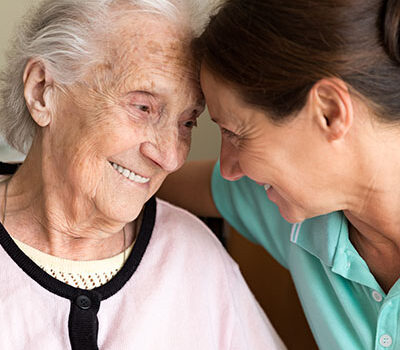
The Center of Excellence for Behavioral Health in Nursing Facilities (COE-NF), which opened its online doors in December 2022 thanks to a three-year grant from the Substance Abuse and Mental Health Services Administration (SAMHSA), is a centralized hub where any Medicare- or Medicaid-certified nursing home can access trainings, tools, and …
Discharge Planning Best Practices to Avoid Hospital Readmissions

In this podcast, Amy Stewart, MSN, RN, DNS-MT, QCP-MT, RAC-MT, RAC-MTA, chief nursing officer for AAPACN, and Dr. Nancy Kusmaul, PhD, MSW, associate professor in the baccalaureate social work program at the University of Maryland, Baltimore County, discuss discharge planning best practices to avoid hospital readmissions.

Behavioral Health: Eight Ways to Boost Compliance—and Help Residents—Under F740

F740 (Behavioral Health Services) is not a frequently cited F-tag so far in calendar year (CY) 2023, according to QCOR data posted on Aug. 13, 2023. However, the consequences can be severe—surveyors often issue this citation at the level of immediate jeopardy (IJ) when it does occur. Specifically, F740 is …

Infusion Therapy: Solve These Clinical and Documentation Issues to Provide Better Care

Infusion therapy services are so inherently complex that the Centers for Medicare & Medicaid Services (CMS) identifies “intravenous or intramuscular injections and intravenous feeding” and “enteral feeding that comprises at least 26 percent of daily calorie requirements and provides at least 501 milliliters of fluid per day” as two of …

Behavioral Health in SNFs: New Resource Center, Nonpharmacological Interventions, and Best Practices

In this podcast, Amy Stewart, MSN, RN, DNS-MT, QCP-MT, RAC-MT, RAC-MTA, chief nursing officer for AAPACN, and Jacob Berelowitz, LNHA, LMSW, CPHQ, CCM, program manager for the Center of Excellence for Behavioral Health in Nursing Facilities (COE-NF) discuss how the COE-NF can assist nursing homes. Additional Resources:

National Pressure Injury Advisory Panel Releases Standardized Pressure Injury Prevention Protocol

The National Pressure Injury Advisory Panel has released the second version of their Standardized Pressure Injury Prevention Protocol – abbreviated as “SPIPP” (pronounced S – PIP). The SPIPP is a shortened checklist of preventive actions to implement at the bedside, adapted from the 2019 Guidelines on pressure injury prevention. As …

Psychotropic Medications in the Skilled Nursing Facility: How to Manage the Process

The use of psychotropic medications in the skilled nursing facility (SNF) is a controversial issue with implications for resident, regulatory, and financial outcomes. The many requirements can be confusing, especially for a relatively new director of nursing services (DNS). This article reviews psychotropic medication requirements and offers tips to manage …

Beers Criteria Update and the Impact to SNFs

In this podcast, Amy Stewart, MSN, RN, DNS-MT, QCP-MT, RAC-MT, RAC-MTA, vice president of education and certification strategy for AAPACN, and Lisa Morris, D.Ph., BCGP, FASCP, executive director of clinical services for Consana, discuss changes to the American Geriatrics Society’s Beers Criteria and its impact on skilled nursing facilities. Additional …