NHSN LTCF MDRO & CDI Module Resources

Multidrug-Resistant Organism & Clostridioides difficile (MDRO/CDI) Infection Event Reporting Module Using Laboratory-identified Event Methodology Data Collection Forms & Instructions All Data Collection Forms are Print-only MDRO/CDI Events Denominator Forms Monthly Reporting Plan Annual Facility Survey See more at https://www.cdc.gov/nhsn/ltc/cdiff-mrsa/index.html

NHSN LTCF UTI Healthcare-Associated Infection Module Updates

January 2025 Updates Data Collection Forms & Instructions All Data Collection Forms are Print-only UTI Events Denominator Forms Monthly Reporting Plan Annual Facility Survey Learn more: https://www.cdc.gov/nhsn/ltc/uti/index.html

Admission Process Best Practices: How to Create a Smooth Resident Transition to LTPAC Settings

In this podcast, Amy Stewart, MSN, RN, DNS-MT, QCP-MT, RAC-MT, RAC-MTA, chief nursing officer for AAPACN, and Lauren Stenson, MSN, RN, CNDLTC, QCP, DNS-CT, curriculum development specialist for AAPACN, discuss the admission process and ways to ease the resident’s transition into long-term and post-acute care settings.

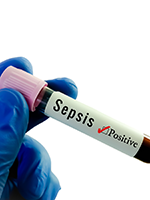
Sepsis Assessment and Reporting: Tips for Nursing Staff

Nurses play a key role in the early identification and treatment of sepsis, assessing the resident and reporting to the physician or nonphysician practitioner (NPP), as well as potentially managing residents with sepsis in-house in some cases. Nurse leaders can take the following steps to help nursing staff effectively assess …

The “Golden Hour” of Admission

For both residents and their loved ones, admission into a post-acute care facility can be an overwhelming experience. In addition to the condition that brought residents to the facility, the transition itself involves changing environment, acclimating to new routines, and entrusting one’s care to a team of unfamiliar people. Amid …

Direct-Care Staff Are Front-Line Defenders Against Sepsis: What They Need to Know

Since the COVID-19 pandemic began in 2020, the risk of developing sepsis has increased nationwide, according to the September 2024 report An Assessment of Sepsis in the United States and Its Burden on Hospital Care (Sepsis Assessment) from the Agency for Healthcare Research and Quality (AHRQ). Sepsis-related inpatient stays in …

Emergency Preparedness Plan: How the DNS Can Ensure the Nursing Department Is Ready When Disaster Strikes

Emergency preparedness is a vital component of maintaining safety and ensuring continuity of care in post-acute care settings. Facilities face unique challenges in emergency situations. The vulnerable people they care for, including the elderly and those recovering from surgery or a serious illness, are especially susceptible to adverse outcomes. The …

Emergency Preparedness In-service Education

Long-term care facilities face unique problems when disasters strike. Staff’s quick thinking and correct action can protect staff members, residents, and families. Use this in-service education to prepare staff for when a disaster occurs. This AAPACN resource is copyright protected. AAPACN individual members may download or print one copy for …

Mastering the Discharge Function Score for Skilled Nursing Facilities

By Greg Seiple Discharge planning is an essential component of patient care in skilled nursing facilities. But how do healthcare professionals determine when a resident is ready to leave and manage daily activities independently? Enter the Discharge Function Score—a critical tool in evaluating a resident’s ability to function outside of …