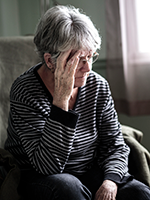
A Fresh Perspective on Fall Prevention in LTPAC

Falls remain one of the most persistent and expensive challenges in long-term and post-acute care (LTPAC) settings. For the director of nursing services (DNS), the responsibility to decrease fall risk while maintaining resident dignity and autonomy is a delicate balance. Conventional approaches, such as checklists, environmental modifications, and routine assessments, …

Safe Injection, Infusion, Medication Vial, and Point-of-Care Testing Practices in Healthcare (2025)

The Association for Professionals in Infection Control and Epidemiology (APIC) has released an updated position paper titled “Safe Injection, Infusion, Medication Vial, and Point-of-Care Testing Practices in Health care (2025),” published in the American Journal of Infection Control (AJIC). This update builds upon APIC’s 2016 position paper and reflects advancements in science, updated regulatory …
Enteral Nutrition Checklist

It’s important that long-term care residents receive enteral nutrition in a safe, effective, and consistent manner. Utilize AAPACN’s Enteral Nutrition Checklist to ensure documentation is complete and residents are receiving appropriate nutrition, medications, and treatment for their enteral tube feeding. This AAPACN resource is copyright protected. AAPACN individual members may …

CDC Project Firstline Measles Resources

CDC’s Project Firstline and the American Medical Association (AMA) recently hosted a webinar to share important measles updates and help providers and clinics stay prepared for measles. The recording is now available to watch and share. The webinar featured a panel of CDC experts covering current trends in measles epidemiology, clinical recognition of measles, the importance …

Leading the Shift: Psychotropic Stewardship in Nursing Practice

In this LTC DON Chat podcast episode, Amy Stewart, MSN, RN, DNS-MT, QCP-MT, RAC-MT, RAC-MTA, chief nursing officer for AAPACN, and Lauren Stenson, MSN, RN, CNDLTC, QCP, DNS-CT, curriculum development specialist with AAPACN, discuss how the director of nursing services (DNS) can advocate for resident-centered care by navigating Appendix PP updates, reducing …

Enhancing Resident Well-Being: A Nursing Leadership Approach to Sensory Impairments

Sensory impairments, such as loss of vision, hearing, taste, smell, or touch, are common among older adults, and significantly affect their quality of life. These impairments often go unnoticed or may be mistaken for cognitive decline, leading to missed opportunities for interventions, or worse, a decline in function. Residents with …

Caring for Residents with Sensory Impairments In-Service Education for Nursing Assistants

Vision and hearing loss, as well as diminished taste, touch, or smell, can significantly impact residents’ ability to communicate, navigate their environment, and engage in daily activities. By implementing individualized care plans, utilizing assistive devices, and fostering an inclusive atmosphere, certified nursing assistants can enhance residents’ quality of life and …

Targeted Prevention: Stopping Urinary Infections in Their Tracks

Urinary tract infections (UTIs) and catheter-associated urinary tract infections (CAUTIs) remain significant concerns in long-term care settings. They contribute to increased morbidity, extended hospital stays, higher healthcare costs, and reduced quality of life for residents. The Centers for Disease Control and Prevention estimates that 75% of UTIs in hospitalized patients …

Catheter Care Competency

Competent catheter care is crucial for preventing infections and ensuring resident safety. Facilities can use AAPACN’s Catheter Care Competency tool as a standardized guide to evaluate and verify that staff are properly trained and consistently applying best practices when providing care for residents with urinary catheters. This competency can also …

Pain Relief Without Pills: A Guide to Non-Pharmacological Interventions

Pain management is an essential component of nursing care. Non-pharmacological pain management interventions can effectively complement or reduce the need for medication. This tool will review non-pharmacological interventions by type, providing mechanism of action and examples for use. It will also include a comprehensive audit component to track intervention utilization, …