Safe Injection, Infusion, Medication Vial, and Point-of-Care Testing Practices in Healthcare (2025)

The Association for Professionals in Infection Control and Epidemiology (APIC) has released an updated position paper titled “Safe Injection, Infusion, Medication Vial, and Point-of-Care Testing Practices in Health care (2025),” published in the American Journal of Infection Control (AJIC). This update builds upon APIC’s 2016 position paper and reflects advancements in science, updated regulatory …

LTCSP Survey Resources: Surveyor Tools Updated

This ZIP file contains resources for surveyors conducting initial surveys under the Long-term Care Survey Process (LTCSP). It is a one-stop shop containing a multitude of reference materials that are provided to the surveyors going into facilities, including, for example, a document detailing their principles of documentation, a document showing …
Prepared and Compliant: A Proactive Approach to Enteral Feeding Care Management

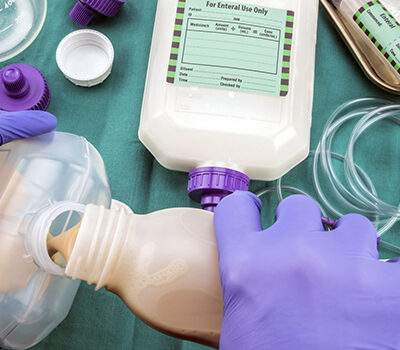
The director of nursing services (DNS) is preparing for her first annual survey. She wants to take a proactive approach regarding facility residents with enteral feedings. However, as a relatively new DNS, she is unsure where to begin. Sound familiar? This article will provide a process to assist the DNS …

Five-Star Technical User’s Guide Plus Claims-Based Measures Appendix (Updated)

CMS created the Five-Star Quality Rating System to help consumers, their families, and caregivers compare nursing homes more easily. The Nursing Home Compare Web site features a quality rating system that gives each nursing home a rating of between 1 and 5 stars. Nursing homes with 5 stars are considered …

Payroll-Based Journal (PBJ) Policy Manual V2.7

This manual provides general background and information about the submission requirements, such as sample submission screens, submission deadlines, and definitions of job categories. Note: Changes from the previous version of this policy manual are identified in red/italics. PBJ Policy Manual Final – V2.7 – 06.30.2025 (PDF) From https://www.cms.gov/Medicare/Quality-Initiatives-Patient-Assessment-Instruments/NursingHomeQualityInits/Staffing-Data-Submission-PBJ

CMS QSO Memo: Release of CMS-2567: Statement of Deficiencies and Plan of Correction

Release of CMS-2567: Statement of Deficiencies and Plan of Correction Memo # QSO-25-19-All Fiscal Year 2025 Memorandum Summary • CMS is committed to the transparency of quality of care findings, so that patients, residents, and their families can make informed health care decisions. • The official Form CMS-2567: Statement of …

CMS QSO Memo: Update to Nursing Home Compare

Memo # QSO-25-20-NH Posting Date 2025-06-18 Fiscal Year 2025 Memorandum Summary • Post Performance Data for Nursing Home Chains – “Chains” refers to groups of Medicare-certified nursing homes that are connected through common owners, and operators (also called “affiliated entities”). CMS will begin posting aggregated performance information for these nursing homes on …

Nursing Staff Competencies: Keys to Staying Compliant

Ensuring that nursing staff have the “appropriate competencies and skills sets to provide nursing and related services to assure resident safety and attain or maintain the highest practicable physical, mental, and psychosocial well-being of each resident” is embedded at 42 Code of Federal Regulations (CFR) §483.35. Discussion of staff competencies …

PRN Psychotropic Medications for Behaviors: Learn How to Document to Survive Survey

PRN Medication Use is one of the few sections of the revised F605 (Right to Be Free From Chemical Restraints/Unnecessary Psychotropic Medications) in Appendix PP of the State Operations Manual that does not have changes that went into effect on April 28, 2025. However, the updated examples of F605 noncompliance …

Enhancing Resident Well-Being: A Nursing Leadership Approach to Sensory Impairments

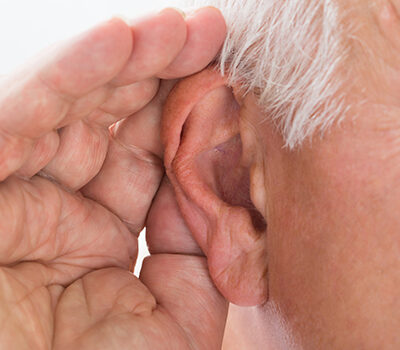
Sensory impairments, such as loss of vision, hearing, taste, smell, or touch, are common among older adults, and significantly affect their quality of life. These impairments often go unnoticed or may be mistaken for cognitive decline, leading to missed opportunities for interventions, or worse, a decline in function. Residents with …