
Articles from AAPACN
Browse expert-written articles on topics that impact your everyday work. Find practical and compelling content written by AAPACN nursing experts who scour through mountains of information to identify the breaking news you need to do your job, to help your team perform, and to improve resident outcomes. Want access to all AAPACN articles? Learn more about AAPACN and AAPACN membership.
- Back to Basics: Reinforcing Clinical Fundamentals
 The beginning of a new school year has a particular energy—fresh notebooks, sharpened pencils, and a renewed focus on learning the essentials. In the long-term and post-acute care (LTPAC) world, we can take a cue …
 - How the DNS Can Use HRSN to Improve Care and Reduce Hospital Readmissions
 The Centers for Medicare & Medicaid Services (CMS) ultimately chose not to implement MDS section R (Health-Related Social Needs) on Oct. 1, 2025. Each skilled nursing facility (SNF) will have to make an individual decision …
 - Should SNFs Collect Removed Section R MDS Data—and Why Do HRSN Even Matter?
 MDS section R (Health-Related Social Needs) did not go into effect on Oct. 1, 2025. The Centers for Medicare & Medicaid Services (CMS) followed through on its proposal and eliminated—prior to implementation—items R0310 (Living Situation), …
 - Section O Overhaul: Changes to Therapy Coding
 The Long-Term Care Resident Assessment Instrument (RAI) 3.0 User’s Manual (RAI User’s Manual) version 1.20.1, effective Oct. 1, 2025, will bring major changes to section O of the MDS 3.0. The most significant update introduces …
 - MDS Item J2100 Feeds Into PDPM: Learn What’s at Stake and How to Boost Accuracy
 MDS item J2100 (Did the Resident Have a Major Surgical Procedure During the Prior Inpatient Hospital Stay That Requires Active Care During the SNF Stay?) is the gateway question for receiving enhanced reimbursement in the …
 - Back to PDPM Basics – Part 3: The Nursing Component – Extensive Services and Special Care
 The calculation for the nursing component of the Patient-Driven Payment Model (PDPM) can look deceptively simple. The two steps entail calculating a section GG nursing function score and then placing the resident into one of …
 - Behavioral Health Management: Learn How to Better Support Resident Needs
 Nurse leaders who want to improve behavioral health management often get stuck in the “I don’t know where to start” or “I don’t know what that should look like” phase, points out Jacob Berelowitz, LNHA, …
 - From Paper to Practice: How the DNS Drives Policy Excellence
 Facility policies serve as the backbone of consistent, safe, and compliant operations. Nursing homes rely on well-developed policies to guide staff, protect residents, and maintain compliance of care delivery that must follow state and federal …
 - Crack the Code: Staff Assessment for Mental Status Items
 The nurse assessment coordinator (NAC) plays an essential role in capturing a resident’s cognitive status by coordinating and coding the Staff Assessment for Mental Status in the Minimum Data Set (MDS). The Brief Interview for …
 - FY 2026 SNF PPS Final Rule: Section R Removal Tops the List of Changes
 MDS section R (Health-Related Social Needs) is officially no more. The big news for nurse assessment coordinators (NACs) in the Medicare Skilled Nursing Facility Prospective Payment System (SNF PPS) and Consolidated Billing Final Rule for …
 - Back to PDPM Basics – Part 2: The SLP ComponentSince the implementation of the Patient-Driven Payment Model (PDPM), nursing facilities have had to take a more nuanced approach to how a resident’s needs are assessed and documented. As discussed in part 1 of this …
- Keys to Prioritizing Resident Safety in High Summer Heat and Sunlight
 Summer usually is a time for nursing home residents to experience social outdoor activities and meals. It could mean attending barbecues, picnics, parades, outdoor concerts, or baseball games, gardening or birdwatching, doing outdoor crafts, or …
 - FY 2026 SNF PPS Final Rule: More Money and Consistency, Less Burden
 The Centers for Medicare & Medicaid Services (CMS) did not propose any changes to the previously adopted quality measure (QM) sets for either the Skilled Nursing Facility Quality Reporting Program (SNF QRP) or the Skilled …
 - A Fresh Perspective on Fall Prevention in LTPAC
 Falls remain one of the most persistent and expensive challenges in long-term and post-acute care (LTPAC) settings. For the director of nursing services (DNS), the responsibility to decrease fall risk while maintaining resident dignity and …
 - MDS Nutrition Is Not Limited to Section K
 Written by Kristine Martinez, BSN, RN, RAC-CT, RAC-CTA, QCP, DNS-CT, MDS Consultants Often, section K on the minimum data set (MDS), along with the associated care area assessments (CAAs) and care planning are delegated to …
 - 2025 NAC Work Study and Salary Report: Support NACs and Determine FTE Needs
 The American Association of Post-Acute Care Nursing (AAPACN) surveys nurse assessment coordinators (NACs) every other year on aspects of their work, salary, and time. The 2025 AAPACN NAC Work Study and Salary Report offers valuable …
 - Back to PDPM Basics – Part 1: The PT and OT ComponentsIn skilled nursing facilities (SNFs), staff members often find the Patient-Driven Payment Model (PDPM) process complex and unfamiliar, especially when determining how Medicare (and, in many states, Medicaid) payment is calculated. PDPM is based on …
- Crack the Code: A0310EWhen completing any Minimum Data Set (MDS) assessment, accurate coding of A0310E is critical. This item is completed on OBRA (Omnibus Budget Reconciliation Act), scheduled PPS (Prospective Payment System), and OBRA discharge assessments. It asks, …
- Prepared and Compliant: A Proactive Approach to Enteral Feeding Care Management
 The director of nursing services (DNS) is preparing for her first annual survey. She wants to take a proactive approach regarding facility residents with enteral feedings. However, as a relatively new DNS, she is unsure …
 - Coding High-Risk Drug Classes: How to Improve N0415 Accuracy
 N0415 (High-Risk Drug Classes: Use and Indication) is much more than just paperwork. This MDS item impacts resident care through the care area triggers (CATs) and the care area assessments (CAAs), as well as facility …
 - Out the Door, On a Leave, or Gone for Good? Uncomplicating Discharges
 In the fast-paced position of a nurse assessment coordinator (NAC), keeping track of all the residents’ whereabouts can be challenging. The NAC must know who is coming into the facility and if this resident is …
 - From the CATs to the QMs: Key Impacts of MDS Section N
 MDS section N (Medications)—in particular item N0415 (High-Risk Drug Classes: Use and Indication)— plays a key role in a nursing home’s ability to provide comprehensive, resident-centered care via the care area triggers (CATs) and the …
 - Ethics in Medicare Part A Coverage in Skilled Nursing Facilities
 Navigating Medicare Part A coverage in skilled nursing facilities (SNFs) is a matter of regulatory compliance. But it’s also a daily ethical test for facility staff and administrators. In many ways it depends on the …
 - Nursing Staff Competencies: Keys to Staying Compliant
 Ensuring that nursing staff have the “appropriate competencies and skills sets to provide nursing and related services to assure resident safety and attain or maintain the highest practicable physical, mental, and psychosocial well-being of each …
 - PRN Psychotropic Medications for Behaviors: Learn How to Document to Survive Survey
 PRN Medication Use is one of the few sections of the revised F605 (Right to Be Free From Chemical Restraints/Unnecessary Psychotropic Medications) in Appendix PP of the State Operations Manual that does not have changes …
 - Enhancing Resident Well-Being: A Nursing Leadership Approach to Sensory Impairments
 Sensory impairments, such as loss of vision, hearing, taste, smell, or touch, are common among older adults, and significantly affect their quality of life. These impairments often go unnoticed or may be mistaken for cognitive …
 - SNF VBP Reminder: Performance-Period MDS Data Collection Is Now Ongoing
 In the Medicare Skilled Nursing Facility Prospective Payment System (SNF PPS) and Consolidated Billing Proposed Rule for Fiscal Year (FY) 2026, the Centers for Medicare & Medicaid Services (CMS) does not reveal any firm proposals …
 - Deep Dive into ICD-10-CM: Diagnosis Sequencing Guidelines
 The International Classification of Diseases, 10th Revision, Clinical Modification (ICD-10-CM) code assignment continues to be a bit of an enigma in the long-term care setting. Members regularly ask questions about ICD-10-CM coding in AAPACN’s online …
 - SNF VBP QMs: What’s Coming Online to Impact Payment—and What’s Proposed
 The Centers for Medicare & Medicaid Services (CMS) does not propose any new quality measures (QMs) for the pay-for-performance Skilled Nursing Value-Based Purchasing program (SNF VBP) in the Medicare Skilled Nursing Facility Prospective Payment System …
 - Targeted Prevention: Stopping Urinary Infections in Their Tracks
 Urinary tract infections (UTIs) and catheter-associated urinary tract infections (CAUTIs) remain significant concerns in long-term care settings. They contribute to increased morbidity, extended hospital stays, higher healthcare costs, and reduced quality of life for residents. …
 - Quality Measures IQ Series: UTIs and Catheters
 The long-stay Quality Measures (QMs), Percent of Residents with a Urinary Tract Infection and Percent of Residents Who Have/Had a Catheter Inserted and Left in Their Bladder, have straightforward methodology but complex underlying implications. Managing …
 - Care Conference 101: Keys to a Meaningful Meeting
 A well-run care conference or care plan meeting can help the interdisciplinary team (IDT) improve the resident’s quality of care and quality of life by establishing a more resident-centered, individualized, culturally competent, and trauma-informed care …
 - QAPI: How NACs Can Boost the Value They Bring to the Process
 The nurse assessment coordinator (NAC) brings a unique understanding of facility operations and resident needs that can reap critical benefits for the Quality Assurance and Performance Improvement (QAPI) program, says Lauren Stenson, MSN, RN, CNDLTC, …
 - The Facility Assessment: What It Takes to Create an ‘Operational Care Plan’
 The revised surveyor guidance in Appendix PP of the State Operations Manual that goes into effect on April 28, 2025, does not include any updates to F-tag 838 (Facility Assessment), says Robin Hillier, CPA, STNA, …
 - Rethinking Pain Management: Non-pharmacological Solutions for a Holistic Approach
 Pain management is an essential piece of the care provided in long-term and post-acute care (LTPAC) settings. Many residents experience acute or chronic pain due to a variety of conditions, such as postsurgical recovery, arthritis, …
 - Breathe Easy: Code Respiratory Therapy Accurately
 In long-term care (LTC) facilities, many residents need care for chronic and acute respiratory problems, such as chronic obstructive pulmonary disease (COPD), pneumonia, tracheostomy, and post-COVID complications. LTC nurses need to know how to manage …
 - Ethics in MDS Coding: Reimbursement and Quality Measures
 In long-term care, the Minimum Data Set (MDS) ensures appropriate care planning, accurate reimbursement, and quality measurement while maintaining compliance with federal and state regulations. However, MDS coding may pose some ethical challenges. Completing the …
 - Shifting Mindsets on Infection Prevention and Control: From Policy Adherence to Personal Ownership for Staff
 An effective Infection Prevention and Control Program (IPCP) goes beyond compliance with policies and ideally reflects a cultural shift toward personal responsibility. The nurse leader has a key role in helping healthcare professionals recognize their …
 - Quality Measure IQ Series: Pressure Ulcer Measures
 Quality Measure (QM) reporting on pressure ulcers is a significant metric used by the Centers for Medicare & Medicaid Services (CMS) to help ensure that nursing homes provide high-quality care to vulnerable residents. Those residents …
 - Compliance in Diagnosis Selection for Skilled Rehabilitation
 For skilled nursing facilities (SNFs), diagnosis selection and accurate ICD-10-CM coding are essential for both quality resident care and compliance with regulations. For therapists providing skilled rehabilitation services, the ability to choose the correct diagnosis …
 - Care Conference: How Do Resident Rights Connect to Care Planning?
 Some nurse assessment coordinators (NACs) may believe that having a care conference (aka care plan meeting) with the resident and/or their responsible party or family member is a regulatory requirement. “However, no regulations actually use …
 - The Keys to Develop a Past Noncompliance Plan
 The director of nursing services (DNS) received a call in the middle of the night that a resident with a diagnosis of dementia had eloped, and it appeared she had been missing for several hours—a …
 - Uncomplicating Drug Classifications
 Medications are an essential part of the care and interventions provided to residents in a skilled nursing facility. These medications may be used to manage chronic conditions, slow disease progress, ease symptoms, or even prevent …
 - PDPM Overview for Supporting SNF Staff
 The Centers for Medicare & Medicaid Services (CMS) implemented the Patient-Driven Payment Model (PDPM) in October 2019 for residents receiving Medicare Part A coverage in the skilled nursing facility (SNF). PDPM replaced the previous legacy …
 - Sepsis Assessment and Reporting: Tips for Nursing Staff
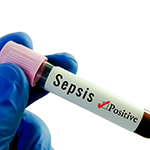 Nurses play a key role in the early identification and treatment of sepsis, assessing the resident and reporting to the physician or nonphysician practitioner (NPP), as well as potentially managing residents with sepsis in-house in …
 - The “Golden Hour” of Admission
 For both residents and their loved ones, admission into a post-acute care facility can be an overwhelming experience. In addition to the condition that brought residents to the facility, the transition itself involves changing environment, …
 - October 2025 MDS Draft Item Sets: The SDOH Should Drive the NAC’s Planning
 On Oct. 1, 2024, the Centers for Medicare & Medicaid Services (CMS) released the draft MDS version 1.20.1 item sets and item matrix for implementation on Oct. 1, 2025. The change history included with the …
 - Quality Measure IQ Series: Antipsychotic Medication Measures
 Monitoring and reducing the use of antipsychotic medications is a high priority for many nursing facilities. Top concerns are the increased risk of adverse effects for residents taking these medications, the scrutiny of their management …
 - Residents on Part B Therapy? Provide Beneficiary Notices to Avoid a Financial Hit
 Nurse assessment coordinators (NACs) who manage Medicare services typically are at least familiar enough with the beneficiary notice requirements that skilled nursing facilities (SNFs) must meet under fee-for-service (FFS) Medicare Part A to monitor those …
 - ICD-10-CM: Navigating the Term “With,” Combination Codes, and Complications of Care
 Accurate diagnosis coding is critical in nursing facilities (NFs) for care planning, reimbursement, and quality measurement. NF coders must understand ICD-10-CM conventions, general coding guidelines, and chapter-specific coding guidelines that affect how diagnoses are assigned. …
 - Why Getting MDS Right Is Non-Negotiable: The Importance of MDS Accuracy
 Written by Kristine Martinez BSN, RN, RAC-CTA, QCP Completing a Minimum Data Set (MDS) correctly is no small task. With approximately 510 answers or choices on a comprehensive MDS (not including CAA investigation), and approximately530 answers …
 - Direct-Care Staff Are Front-Line Defenders Against Sepsis: What They Need to Know
 Since the COVID-19 pandemic began in 2020, the risk of developing sepsis has increased nationwide, according to the September 2024 report An Assessment of Sepsis in the United States and Its Burden on Hospital Care …
 - Emergency Preparedness Plan: How the DNS Can Ensure the Nursing Department Is Ready When Disaster Strikes
 Emergency preparedness is a vital component of maintaining safety and ensuring continuity of care in post-acute care settings. Facilities face unique challenges in emergency situations. The vulnerable people they care for, including the elderly and …
 - Mastering the Discharge Function Score for Skilled Nursing Facilities
 By Greg Seiple Discharge planning is an essential component of patient care in skilled nursing facilities. But how do healthcare professionals determine when a resident is ready to leave and manage daily activities independently? Enter …
 - GG0130 and GG0170: Using Clinical Judgment to Establish Usual Performance
 The ability to exercise clinical judgment to define usual performance in MDS items GG0130 (Self-Care) and GG0170 (Mobility) offers nursing homes unprecedented opportunity to impact quality measures (QMs), says Rosanna Benbow, RN, CCM, ICC, IP, …
 - SNF ABN Update: What Changed and How to Keep the Process Running Smoothly
 Effective Oct. 31, 2024, skilled nursing facilities (SNFs) now are required to use an updated Skilled Nursing Facility Advance Beneficiary Notice of Noncoverage (SNF ABN), also known as form CMS-10055, and the corresponding revised instructions …
 - Sepsis Primer: What Is It, and How Does It Tie Into Survey and QMs?Sepsis—a key driver of hospital readmissions—can have negative clinical impacts for residents and negative financial, quality, survey, and even legal impacts for nursing homes. Here is a review of important basics: What is sepsis? The …
- Antibiotic Stewardship: Make Sure New IPs Have an Action Plan
 Antimicrobial medications are used to treat infections (and sepsis) caused by bacteria, parasites, viruses, and fungi. Antimicrobial resistance (AR)—when germs conquer the drugs that are supposed to kill them and instead keep growing—occurs naturally. However, …
 - Opioid Overdose: Are Staff Prepared?
 Many residents take opioids to relieve pain, and each of these residents is at risk for overmedication, overdose, or even death. According to the University of California, Los Angeles (UCLA), by 2021, 1 in 370 …
 - Ethics and Ramifications of Backdating the MDS
 Backdating, or placing an earlier date than the actual date on a document, is only permissible in limited Minimum Data Set (MDS) scenarios. Has anyone asked the nurse assessment coordinator (NAC) to change the assessment …
 - Break the Bad Data Cycle: Keys to Boosting Accuracy in GG0130 and GG0170
 MDS items GG0130 (Self-Care) and GG0170 (Mobility) are a common source of headaches for both the nurse assessment coordinator (NAC) and the interdisciplinary team (IDT). While there is no one-size-fits-all approach for obtaining accurate documentation …
 - Section GG Strategies: Documentation and Collaboration
 Section GG has greatly evolved since 2016. It was first introduced as just a few functional items completed only for Medicare Part A residents, but now it requires 26 functional tasks for all long-term care …
 - Improving Resident Care Through Effective Communication: The MDS 3.0 Scripted Interview
 Effective communication with residents in skilled nursing facilities (SNFs) is essential to understand their needs and preferences. In accordance with Appendix D of the Long-Term Care Facility Resident Assessment 3.0 User’s Manual (RAI User’s Manual) …
 - Stop Assuming and Start Assessing: How to Improve Critical Thinking in Nurses
 Identifying and dealing with a suspected change in condition before a clinical crisis occurs is a critical aspect of caring for fragile, elderly nursing home residents. To achieve that goal, nursing staff must think critically …
 - Early Lessons: How Onboarding and Retention Specialists May Boost Staffing
 Over the last decade, a strong orientation and onboarding process has been linked to higher levels of knowledge, critical thinking skills, and job satisfaction among nursing staff—leading to lower staff turnover and improved retention. Conversely, …
 - Preparing for Respiratory Virus Season
 Fall is here, and respiratory virus season is around the corner. Nursing leaders must take proactive steps to protect residents from these viruses, which carry the potential for serious illness and can lead to hospitalization. …
 - PPS Discharge Assessment: 10 Steps to a More Complete, Accurate MDS
 The Medicare Part A PPS Discharge assessment (i.e., the NPE item set) is now a crucial assessment with far-reaching impacts for skilled nursing facilities (SNFs) in the Skilled Nursing Facility Quality Reporting Program (SNF QRP), …
 - GG Goals: Not Really Gone
 Effective Oct. 1, 2024, the Centers for Medicare & Medicaid Services (CMS) removed column 2, discharge goals, from items GG0130 and GG0170 on the Minimum Data Set (MDS). Many nurse assessment coordinators will welcome the …
 - I0020B: Avoid Common Sources of Confusion When Coding This MDS Item
 The ICD-10-CM code captured in MDS item I0020B (ICD-10 Code/Primary Medical Condition Category) is the foundation of case-mix classification for the Physical Therapy (PT), Occupational Therapy (OT), and Speech-Language Pathology (SLP) payment components in the …
 - Updates to ICD-10-CM Coding Guidelines: Key Revisions and Their Implications
 The International Classification of Diseases, Clinical Modification, 10th revision (ICD-10-CM), coding system is an essential tool needed to document and bill accurately for healthcare services in the long-term care (LTC) setting. Annual updates to both …
 - Nursing Orientation and Onboarding Done Right Can Boost Retention
 Working as a nurse in a nursing home can be overwhelming, especially if the director of nursing services (DNS) and executive leadership expect nurses to learn on the job and fail to set up a …
 - Steps to a Strong Discharge Process
 The facility has a high number of discharges to the community every month, and the director of nursing services (DNS) feels the discharge process is a good one, as she has received no complaints from …
 - F677: How to De-Risk ADL Care for Dependent Residents
 Providing residents with the appropriate level of assistance in the activities of daily living (ADLs) is foundational to care in nursing homes, yet the ADLs consistently remain a common citation risk in the survey process. …
 - Skilled Teaching and Training: Benefit From the Care Team’s Expertise
 Like care plan management and evaluation and observation and assessment of a resident’s condition, teaching and training activities are a core nonskilled component of resident care that can rise to the level of a skilled …
 - Quality Measure IQ Series: Discharge Function Score Measure
 The newest section GG Quality Measure (QM), the Discharge Function Score, has left many nurse assessment coordinators (NACs) with more questions than answers about how it is calculated. This measure estimates the percentage of Medicare …
 - Navigating the Role: Essential Training for New Nurse Assessment Coordinators
 Navigating the multifaceted role of the nurse assessment coordinator (NAC) can be daunting, especially for those new to the position. Whether titled NAC, MDS coordinator, Medicare case manager, or another variant, the responsibilities are both …
 - Staff Work Schedules: It’s Time to Get Flexible—and Realistic—to Improve Retention
 Flexible scheduling, which allows staff members to opt for shorter shifts, longer shifts, add-on shifts, and other staffing flexibilities, can be a strong tool for both recruitment and retention in long-term care, says Jasmine Travers, …
 - Staff Performance: When Expectations Don’t Match Reality
 To implement the minimum nurse staffing standards for registered nurses (RNs) and nurse aides (NAs) and the increased on-site RN requirement in the Minimum Staffing Standards for Long-Term Care (LTC) Facilities and Medicaid Institutional Payment …
 - Substance Use Disorders: What the DNS Should Know
 Over 1 million people aged 65 and over live with substance use disorders (SUD) (Alliance for Aging Research, 2022). As with most trends, what is prevalent in the community will also be prevalent in nursing …
 - Preferences and Routines: Use Section F to Collaborate on the Care Plan
 The Resident Assessment Instrument (RAI) process begins with the Minimum Data Set (MDS) assessment and ends with the resident-centered comprehensive care plan. In the MDS, section F focuses on the resident’s preferences for customary routines …
 - Skilled Observation and Assessment Hinges on a Reasonable Probability of Complication
 Direct skilled services under Medicare Part A often are easy to identify because these services involve specific, complex caregiver-to-resident actions. Their “inherent complexity” means that they can “be performed safely and/or effectively only by or …
 - Care Plan Management and Evaluation Can Be a Skilled Service for At-Risk Residents
 The development, management, and evaluation of the resident care plan is the OBRA backbone of the Resident Assessment Instrument (RAI) process for all residents regardless of payer source, so it may surprise some nurse assessment …
 - How to Use the ICD-10-CM Coding Manual
 Since the start of the Patient-Driven Payment Model (PDPM) in October 2019, the International Classifications of Diseases, Tenth Revision, Clinical Modification (ICD-10-CM) has been thrust into the forefront of daily tasks for the nurse assessment …
 - Burnout, Compassion Fatigue, and Moral Injury: Keys to Prevention and Mitigation
 Protecting and supporting the nursing home workforce is not optional—it is the daily work of managers and leaders, says Patricia McGaffigan, RN, MS, CPPS, senior advisor for safety at the Institute for Healthcare Improvement (IHI), president …
 - F689 Accident Survey Citations: What’s Behind These Immediate Jeopardies?
 F-tag 689 (Free of Accident Hazards/Supervision/Devices) was the No. 1 tag cited at the immediate jeopardy (IJ) level in 2023—and remains at the top halfway into 2024, according to QCOR data accessed on June 30, …
 - Taking the Mystery out of the Facility Assessment
 Everyone loves a good mystery. Many like to watch their favorite mysteries on television or read a good thriller. However, mystery and suspense should not be a part of the facility assessment review. The final …
 - Individualized Care Plan: Made to Order
 Think about individualization like the almost endless variations of coffee drinks available these days. With an extra pump of this or a drizzle of that, we enjoy endless ways to individualize our order. Beyond coffee, …
 - PPS Discharge Assessment: Why Is It More Important Than Ever?
 Nurse assessment coordinators (NACs) will soon begin preparing the interdisciplinary team for the finalized MDS 3.0 version 1.19.1 item set changes, as well as the revised coding instructions in the yet-to-be-finalized Long-Term Care Facility Resident …
 - A Closer Look at the Medicare Part A Presumption of Coverage
 Skilled nursing facility (SNF) staff must understand the intricate guidelines that regulate Medicare Part A coverage for SNF stays. Several technical requirements must be met before a resident qualifies for a Medicare Part A SNF …
 - Part A Basics: 30-Day Transfers and the Medical Appropriateness Exception
 The 30-day transfer rule and its medical appropriateness exception typically don’t come up on a daily basis in skilled nursing facilities (SNFs), yet these requirements—and flexibilities—are a key component of the fee-for-service Medicare Part A …
 - Dementia Care: Keys to Implementing Technologies Effectively and Responsibly
 Using technologies to engage residents with dementia is becoming increasingly common in nursing homes across the country. Local news shows are peppered with segments on facilities using dancing robots, robotic cats, and other technologies that …
 - Fall Prevention and Management: How the Consultant Pharmacist Can Add Value
 F-tag 689 (Free of Accident Hazards/Supervision/Devices) was the top immediate jeopardy (IJ) citation nationwide—and the second most-frequent citation overall—in calendar year (CY) 2023, and that citation pattern is being maintained so far in CY 2024, …
 - Beyond Physical Function: Psychosocial Needs of Residents Post-Stroke
 Stroke is a common issue among residents in long-term care facilities. When caring for this population, staff often focus on physical issues, yet post-stroke residents often have emotional or behavioral changes as well. It is …
 - Late or Missed PPS 5-Day Assessments: Know the Consequences and How to Avoid Them
 Many new nurse assessment coordinators (NACs)—and even some experienced ones—don’t understand what counts as a late MDS assessment, what counts as a missed MDS assessment, or what the financial ramifications are for late vs. missed …
 - Quality Measure IQ Series: Long-Stay Falls Measures
 Someone with an intelligence quotient (IQ) of 130 may be considered above average for intelligence but still not understand the complexities of the MDS 3.0 Quality Measures (QMs). This series of articles on QMs will …
 - PDPM Clinically Complex Nursing Qualifiers: Coding and Documentation Refresher
 The Patient-Driven Payment Model (PDPM) includes four ways for a resident to classify into the Clinically Complex category of the Nursing payment component. If a resident has conditions or is receiving services that qualify for …
 - Tricky NAC Issues Even Some Experts Miss
 Nurse assessment coordinators (NACs) definitely experience variety in their jobs, to state the obvious. Management and completion of the Minimum Data Set/Resident Assessment Instrument (MDS/RAI) process, Medicare management, and ICD-10-CM coding are just a few …
 - Physician Services: How to Level Up From F-Tag Compliance to Better Quality of Care
 In calendar year 2023, F712 (Physician Visits – Frequency/Timeliness/Alternate Nonphysician Practitioners (NPPs)) was the most frequently cited F-tag among the six physician services citations—and only 0.8 percent of nursing homes received that citation, according to …
 - Improving Resident Outcomes Through Collaboration
 Improving resident outcomes is a top priority for nursing home teams. Outcomes, good or bad, not only affect the residents and their families but also influence the facility’s Quality Measures (QMs), Five-Star ratings, and regulatory …
 - Seven Ways NACs Can Be Proactive With New Medicare Advantage Plan Rules
 A skilled nursing facility (SNF) accepts a resident in a Medicare Advantage plan for admission after the plan provides a prior authorization. The resident receives skilled services for the allotted amount of time, and the …